

Residential Generators: A Complete Homeowner's Guide
Temporary versus permanent, and why the line is sharp
Temporary solutions are portable and inverter generators. They are bought off a shelf, stored in a garage, wheeled out when needed, started by hand, and refueled by hand. They connect to the house either through extension cords or through a transfer switch installed for that purpose.
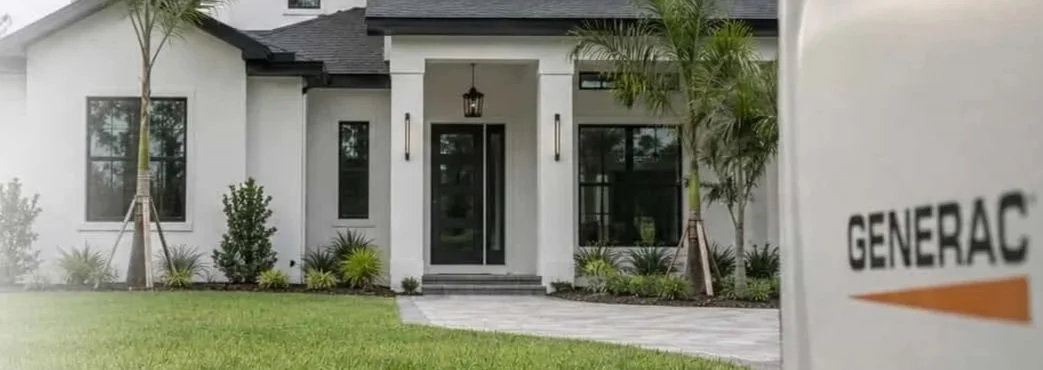
Permanent solutions are automatic standby generators. They are installed once, on a pad, wired into the electrical panel through an automatic transfer switch, and connected to a continuous fuel supply. They start themselves, run themselves, and stop themselves.
The line between the two is not really about output. It is about whether the system requires a human being to function. During a widespread outage, that turns out to be the difference that matters.
Fuel types and what is actually available at your address
This step comes before model selection, and skipping it is how homeowners end up rebuilding a plan halfway through.
Natural gas is delivered by underground pipeline. Across much of Hillsborough and Pasco counties, that distribution is handled by Peoples Gas System. Where a main runs to the street, a permanently installed generator can draw continuously with no tank to monitor and no refueling during the outage. Because the network is underground, it typically stays in service through the wind events that bring down overhead power lines.
Propane is stored on the property in a tank. It is the standard answer where no gas main is present, which includes a meaningful share of rural Pasco and the western fringes of Hillsborough. It works well and burns clean. The difference is that runtime is finite and directly tied to tank size, so tank sizing has to be part of the design conversation.
Diesel appears occasionally in residential contexts but is far more common in commercial installations, and it brings on-site fuel storage and its own set of considerations.
Check for a gas main before you shortlist equipment.
Existing gas appliances are the fastest indicator that a main is present.
The same generator carries different output ratings on natural gas and propane, so compare quotes on one fuel.
If propane is the answer, size the tank against the runtime you actually want, not the minimum that fits the unit.
Sizing considerations specific to Florida homes
A load calculation looks at running load, which is steady consumption, and starting load, which is the surge when a motor engages. Starting load is usually what sets the size.
Several things about homes in this region push the calculation in directions a generic sizing chart will not capture.
Dual air conditioning systems are common, and two compressors have a very different starting profile than one.
Pool pumps and pool heaters are frequently omitted from a homeowner's mental inventory and are significant loads.
Well pumps in unincorporated areas add a large starting surge that municipal-water homes do not have.
Homes with powered medical equipment need those circuits identified explicitly during the assessment.
Electric vehicle chargers and tankless electric water heaters change the picture materially and are increasingly present.
Load management devices can allow a smaller unit to cover a larger home by staggering when big loads start.
What permanent installation requires in Hillsborough and Pasco
A permanently installed residential generator is a permitted electrical project. It cannot be self-permitted as a simple appliance swap, and the application must come from a licensed Florida electrical contractor.
Hillsborough County's published requirements for residential backup generators set out what a compliant submittal contains. A recorded certified copy of a Notice of Commencement is required under Florida Statute 713.13 before the first inspection. A site plan must show setbacks and confirm the installation does not encroach into an easement or wetland setback. A load calculation is required where the unit is rated below the home's main service rating. Manufacturer clearance requirements must be documented, and where load shedding devices are used, their location must be identified. If the fuel is gas, evidence of a fuel gas permit is required. Two inspections follow: electrical rough-in, then electrical final.
Where the property sits in a Special Flood Hazard Area, the site plan has to show the minimum required design flood elevation, which drives how the equipment pad is built.
Pasco County administers its own submittal process through its own portal with its own checklist. The Florida Building Code applies statewide on top of both, and Section M1905 of the residential code addresses permanently installed standby generators specifically, including the requirement that equipment be listed and labeled for the application and installed in accordance with the manufacturer's instructions.
What a certified installer handles that you do not
The visible part of the job is a machine appearing on a pad. Most of the work is not visible.
An in-home assessment and a load calculation performed against your actual panel and your actual loads.
A site plan that satisfies setback, easement, clearance, and where applicable flood elevation requirements.
Recording the Notice of Commencement and submitting the permit in the correct jurisdiction.
Coordinating the fuel connection and any required gas permit.
Building the pad and setting the unit to manufacturer clearances.
Wiring the automatic transfer switch and integrating it with the panel.
Scheduling and passing the electrical rough-in and electrical final inspections.
Commissioning the system, running a simulated outage test, and walking the homeowner through operation and remote monitoring setup.
A realistic timeline
The honest answer is that timelines move with the season and with the permit office, and any company that gives you a firm date before seeing your property is guessing.
The sequence itself is predictable: assessment, proposal and equipment selection, site plan and permit submittal, equipment delivery, pad and fuel work, install, rough-in inspection, final inspection, activation and handover. The variables are permit review time in your jurisdiction, equipment availability, and how busy the region is, which climbs sharply once a named storm enters a forecast.
The practical implication is straightforward. The best time to start this process is a season when nobody else is starting it.
Frequently Asked Questions
Any generator permanently connected to a home's electrical system requires a permit and inspections, and the application has to be made by a licensed Florida electrical contractor. Verify the current submittal checklist with your county building department, since requirements are updated periodically.
The size comes from a load calculation on your electrical panel that accounts for your largest starting loads, including air conditioning compressors, pool pumps, and well pumps. Square footage alone is not a reliable input.
Yes, when the unit is sized for the home's total load and the transfer switch is configured for whole-panel coverage. Where the load exceeds what a given unit can carry, load management devices can stagger large loads so a smaller unit still covers the house.
Clearances from windows, doors, vents, and combustible surfaces are set by the manufacturer's installation instructions and enforced through the permit and inspection process. Those clearances are documented on the site plan before approval.
A permanently installed unit is designed to run through an extended outage, and units on natural gas draw from an underground network that generally continues operating through wind events. Installation anchoring must meet the wind resistance requirements that apply to your location.
After the final inspection passes, the system is commissioned, a simulated outage is run to confirm the transfer switch operates correctly, and the homeowner is walked through operation and remote monitoring setup.